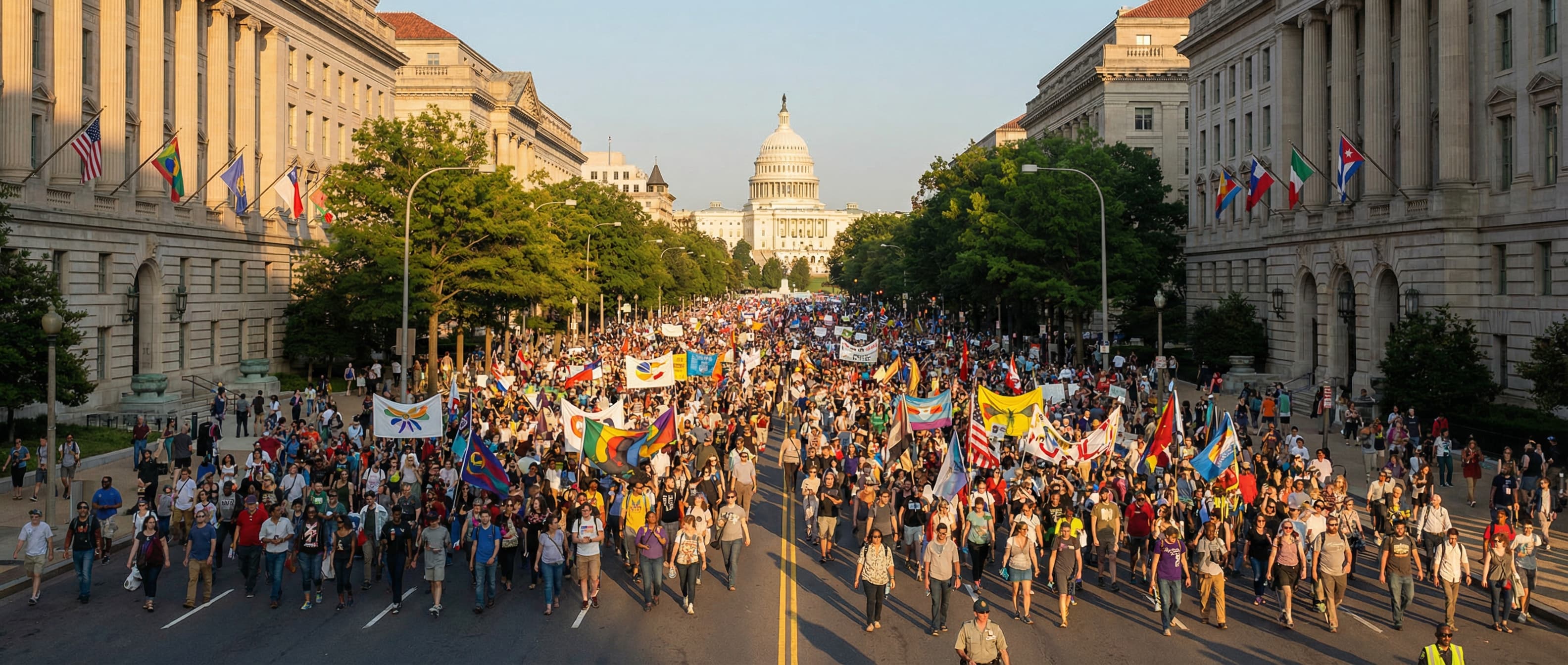
Constitutional Reform Movement Gains Momentum in Multiple Nations
Citizens demand modernized governance frameworks that address digital rights, climate obligations, and economic equity.
A Global Wave of Constitutional Renewal
Across five continents, citizens are demanding that their constitutions evolve to meet 21st-century challenges. From digital rights to climate obligations, the current wave of constitutional reform movements reflects a growing consensus that governance frameworks written decades or centuries ago need updating.
Where Reform Is Happening
Chile completed its second constitutional convention in 2025, producing a document that enshrines environmental rights and indigenous sovereignty. While the first attempt failed at referendum in 2022, the revised approach with broader consultation succeeded.
India has seen growing calls for constitutional amendments addressing digital privacy, algorithmic accountability, and gig economy worker protections. A citizens' commission has drafted model provisions.
Nigeria is in the midst of a comprehensive constitutional review, with particular focus on fiscal federalism, resource control, and decentralization of power.
France convened a citizens' assembly on institutional reform, exploring changes to the Fifth Republic's presidential system that would increase parliamentary accountability.
The Common Threads
Despite different contexts, several themes recur across reform movements:
Digital Rights
- Right to internet access as a fundamental right
- Protection from algorithmic discrimination
- Data sovereignty and digital privacy
- Right to digital identity
Climate and Environment
- Constitutional recognition of climate obligations
- Rights of nature provisions
- Intergenerational equity clauses
- Environmental impact assessment requirements
Economic Justice
- Universal basic services guarantees
- Worker protections for the gig economy
- Anti-monopoly provisions for digital markets
- Progressive taxation mandates
The Process Innovation
Perhaps as significant as the substance is the process. Modern constitutional reform increasingly relies on:
- Sortition-based assemblies: Randomly selected citizens deliberating alongside elected representatives
- Digital deliberation: Online platforms enabling mass participation in drafting
- Expert integration: Constitutional scholars and subject-matter experts providing technical input
- Youth representation: Dedicated seats for younger generations who will live longest under new provisions
Resistance and Risks
Constitutional reform is inherently contested. Critics raise legitimate concerns about:
- Destabilizing established legal frameworks
- Politicization of the reform process
- Risk of weakening existing protections
- The challenge of building consensus in polarized societies
The Global Coordination
An emerging network of constitutional reform movements is sharing best practices through the Global Constitutional Commons, a platform that aggregates draft provisions, procedural innovations, and impact assessments from reform efforts worldwide.
The message from citizens is clear: constitutions must be living documents that evolve with society, not relics of a past era.