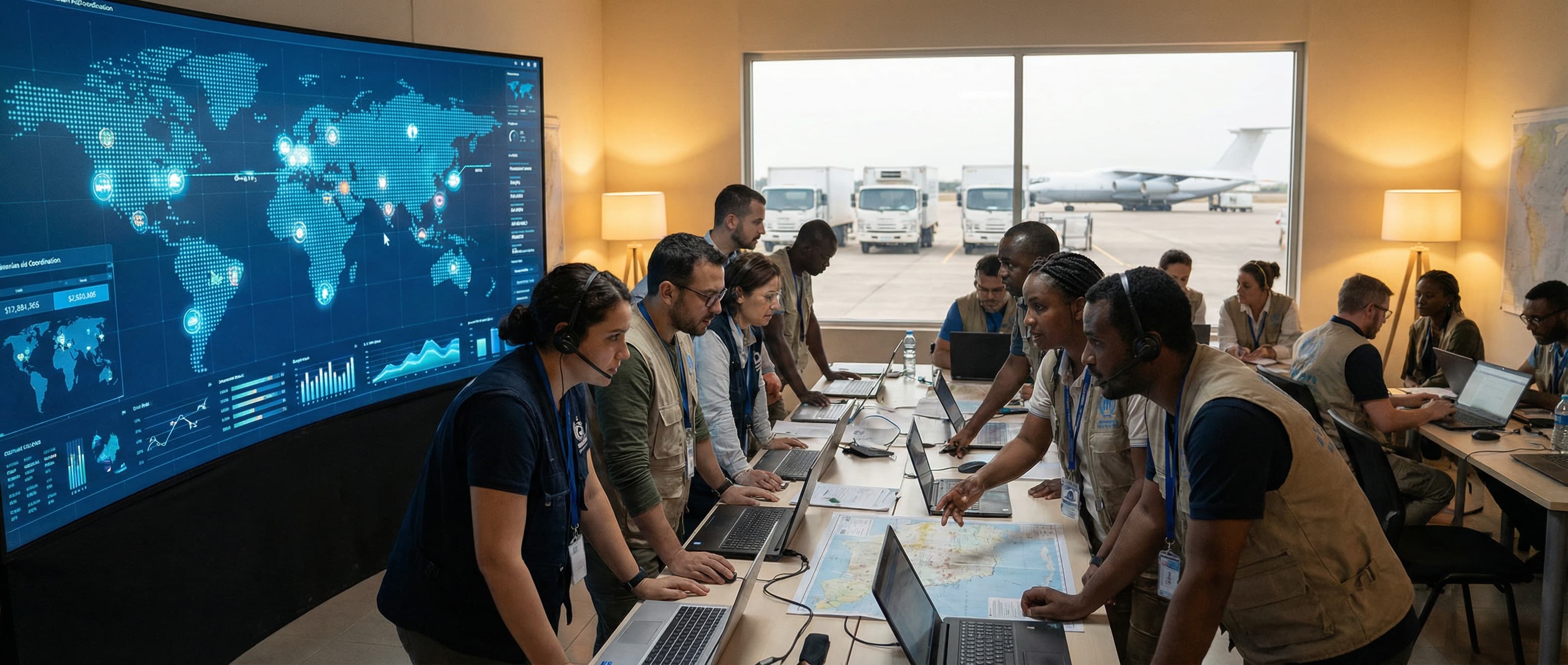
Humanitarian Aid Coordination Improved Through Open Data Initiatives
Shared data platforms reduce response times and improve resource allocation in disaster relief efforts globally.
Open Data Transforms Humanitarian Response
The humanitarian sector is undergoing a quiet revolution. Open data initiatives are fundamentally changing how aid organizations coordinate, allocate resources, and respond to crises. The results are measurable: faster response times, less duplication, and better outcomes for affected populations.
The Problem Open Data Solves
Historically, humanitarian response has been plagued by coordination failures:
- Multiple organizations collecting the same data independently
- Information silos preventing effective resource allocation
- Delayed needs assessments due to proprietary data systems
- Duplication of effort in the field
- Inability to track cumulative impact across organizations
The Open Humanitarian Data Platform
The Humanitarian Data Exchange (HDX), operated by the UN Office for the Coordination of Humanitarian Affairs (OCHA), has grown to become the central hub for crisis data. The platform now hosts:
- 22,000+ datasets covering 250 locations worldwide
- Real-time population movement data from mobile network operators (anonymized)
- Satellite imagery analysis for damage assessment and displacement tracking
- Supply chain data showing where resources are and where they are needed
- Funding flows enabling transparent tracking of donor commitments
Impact by the Numbers
A comprehensive evaluation of open data adoption in humanitarian response found:
- 40% reduction in average needs assessment time
- 25% decrease in resource duplication across agencies
- 60% improvement in supply chain visibility
- 3x faster identification of emerging crises through predictive analytics
Case Study: Pacific Cyclone Response
When Cyclone Aria struck the Pacific Islands in early 2026, the open data ecosystem was put to its most significant test:
- Pre-positioned data: Population, infrastructure, and vulnerability data was already available on HDX
- Satellite activation: Within hours, satellite operators provided damage assessment imagery
- Coordination platform: All responding agencies accessed a shared operational picture
- Resource matching: AI algorithms matched available supplies with assessed needs
- Real-time tracking: Response progress was visible to all stakeholders including affected communities
The result: aid reached remote island communities 48 hours faster than comparable previous events.
Privacy and Ethics
Open data in humanitarian contexts raises important ethical questions:
- Protection of vulnerable populations: Data about displaced persons must be carefully anonymized
- Consent: Affected populations should understand how their data is used
- Power dynamics: Who controls the data infrastructure matters
- Dual use: Data intended for humanitarian purposes could be misused by conflict parties
The Technology Behind It
Several technological innovations enable modern humanitarian data sharing:
- Federated analytics: Organizations can analyze combined datasets without sharing raw data
- Differential privacy: Mathematical guarantees that individual records cannot be identified
- Semantic interoperability: Standard data formats enabling cross-organization analysis
- Edge computing: Data processing in low-connectivity environments
Looking Forward
The next frontier is predictive analytics: using historical data and real-time indicators to anticipate crises before they escalate. Early warning systems combining climate data, conflict indicators, economic stress signals, and population movement patterns could shift humanitarian response from reactive to proactive.
Open data alone does not solve coordination challenges, but it creates the foundation for evidence-based, transparent, and accountable humanitarian action.